
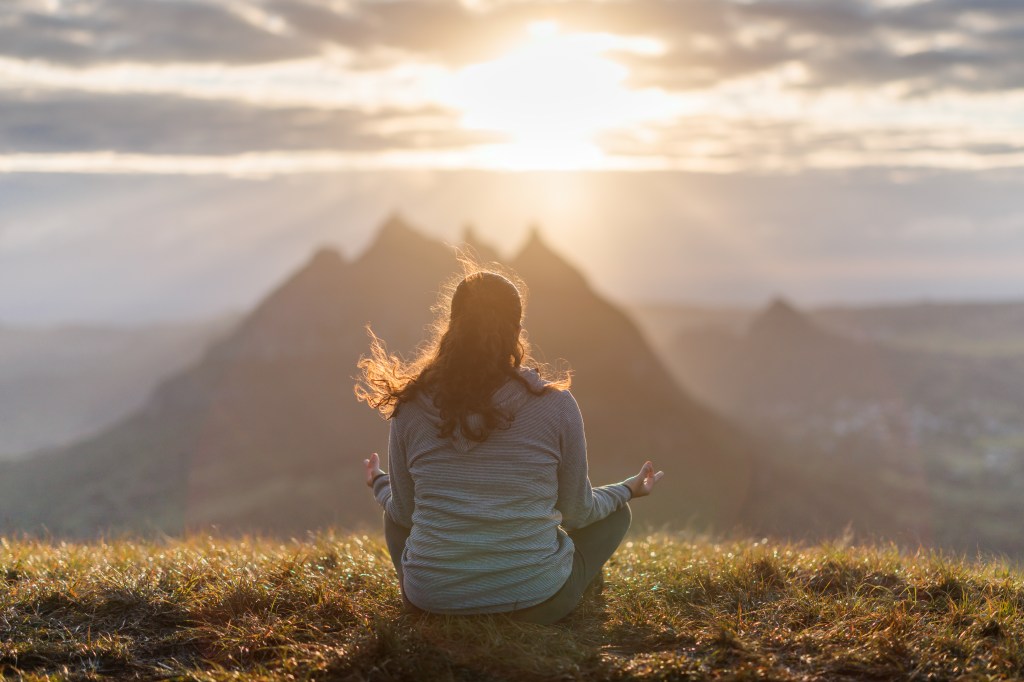
It is difficult to put into words what meditation has done for me because it goes beyond words. Meditation helped me to reconnect with my self and go beyond. Within the first three months of doing regular meditation, I noticed major changes in terms of the level of peace that I feel, my awareness and emotional regulation.
What is Meditation?
Meditation Is The Art of Doing Nothing.
Sri Sri Ravi Shankar defines meditation as the effortless relaxation into one’s true nature, characterised by peace, joy, and love. It’s not about forcing the mind into a single point but allowing it to relax and be present without effort or concentration. Meditation, in his view, is a journey from sound to silence, from movement to stillness, and it’s a way to experience deep rest and alertness simultaneously.
Why Meditation Changed My Life
Peacefulness and Feeling whole
In the beginning of practicing meditation, there would be many thoughts, and my mind would be restless. After some time, I tried to observe my thoughts as an observer of my mind and gradually became more self-aware of my thoughts. Doing breathing exercises prior to the meditation also helps me to calm my mind. Then, at some point, I just felt calm and peaceful. I felt whole. It’s a different kind of feeling, and it was like I was experiencing my existence but in a bigger dimension. That moment maybe did not last too long, but it was very profound. With regular practice, I started to experience it more often.
Alertness and Clarity
Following my meditation, I started to feel more alert and energised as well. I believe that it brought me a certain clarity in terms of my life purpose. My decisions felt more clear to me. I began to become more self-aware of my thoughts and feelings. Meditation has been linked to increased gray matter in several brain regions including the prefrontal cortex important for decision-making and working memory, the hippocampus for learning and memory, and the temporal parietal junction important for empathy and perspective taking.
Emotional Regulation
I was more aware of what I was feeling, and I felt that I could better manage my emotions. I experienced fewer negative emotions. Especially being a woman, we go through different phases in our cycle. The hardest phase for me is a few days prior to menstruation when if I am not aware of it, I can get overwhelmed by negative emotions such as feelings of sadness. Eckhart Tolle, in his book – A New Earth, describes this phase as the ‘collective female pain-body’, which is our pain-body, together with the accumulated pain suffered by women over millenia through childbirth, slavery or torture. The good news is that by being conscious, we can raise above this and enter a new enlightened phase of consciousness. Meditation has helped me in that phase to become self-aware, and hence, these negative emotions reduced considerably.
Detachment and Freedom From the Past and the Future
Meditation propels us in the NOW. Through the practice of meditation, I was able to detach not only from the material world but also from situations or people who no longer serve me. Moreover, meditation helped me to detach from my past pain-body and, hence, engage the healing process. I stopped feeling burdened by what happened in the past or what would happen in the future. The past and the future are times that do not exist in the NOW. Therefore, we feel more free and experience a feeling of lightness. We feel at peace and at ease with where we are NOW. Through meditation, we do not feel attached to the material world and realise that nothing is permanent. We shall go empty-handed like when we came into this world.
Stress and Anxiety Reduction
Meditation activates our parasympathetic nervous system, which is our rest and digest mode, hence reducing the body’s stress response or our flight mode. Furthermore, meditation can help prevent burnouts from occurring. Research shows that it may enhance our mood, promote healthy sleep patterns, and boost cognitive skills. Meditation has also been found to reverse the brain patterns that lead to overthinking, poor attention, and mind wandering. Research suggests that meditation may be helpful in managing conditions like anxiety, depression, and Post Traumatic Stress Disorder PTSD.
How to Integrate Meditation?
- Find a quiet place, sit with your spine erect or lie down, close your eyes and focus on your breath. Let your mind relax and let go.
- Start with short sessions of 5-10 minutes and gradually increase the time.
- Join a yoga and meditation class like NIRVANA.
Practising breathing exercises and yoga postures prior to meditation can help. Meditation offers many benefits and can bring a sense of calm, clarity, and balance in our daily life, leading to a more harmonious and fulfilling existence. Through meditation, I feel more at peace and have more clarity in terms of my life purpose. Meditation has changed my life for the best, and I am deeply grateful for it. Do you want to reconnect to your inner self and feel the peacefulness within?
I invite you to join NIRVANA Yoga & Meditation Classes.
Yashna Veera, Life Coach and Yoga & Meditation Practitioner
NIRVANA
 NIRVANA
Leave a comment