
Being a life coach, I listen to my clients with deep respect, presence, empathy, and a non-judgmental approach. Emotional intelligence (EQ) enables me to become aware, understand, and manage my emotions, which, in turn, help me better understand my clients. Defined by Daniel Goleman, Emotional Intelligence EQ is the ability to recognise, understand, and regulate emotions.
Yoga enhances emotional intelligence, and in this article, we shall delve deeper into how yoga enhances EQ.
- Enhanced Self-Awareness
Self-awareness is the ability to recognise and understand your own emotions and how they affect your behaviour and decision-making. Through breathing exercises, yoga postures, and meditation, we become aware of our breath, our bodily sensations and our emotions. I believe that we get a deeper understanding of ourselves. When we are able to understand our own emotions, it makes it easier to understand other people’s emotions. We become aware of our emotional triggers and can adapt to the way we respond to different people or situations in a more conscious way.
- Improved Emotional Regulation
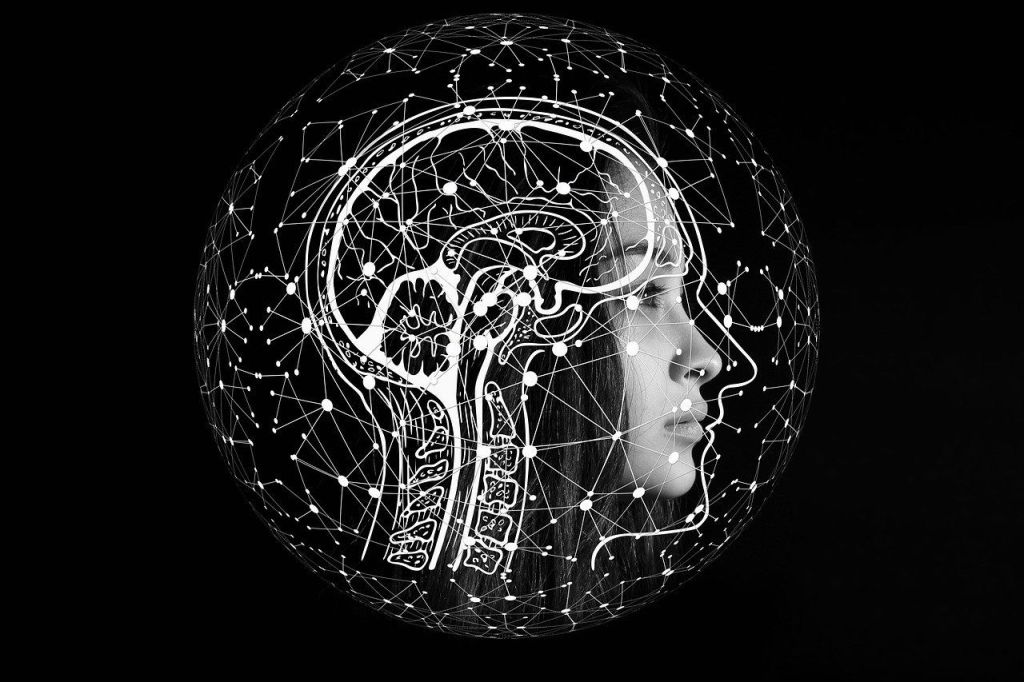
Emotional regulation refers to the ability to control your emotions and not let them dictate your actions. Emerging research suggests that yoga can rewire the brain, strengthen brain regions including the prefrontal cortex, amygdala and insula, all of which play crucial roles in emotional processing and regulation. The prefrontal cortex acts as a “thinking and evaluation centre” that helps modulate emotional responses. This, in turn, regulates our emotions and influence how we respond to stressful situations and interact with others.
- Enhanced Empathy
Empathy is our ability to understand and share the feelings of others. Yoga helps us to become aware of our own feelings and hence, the feelings of others, leading to increased empathy. Yoga teaches us about self-compassion and self-care which enhance our empathy towards us and other people as well. In coaching, empathy helps us to understand the perspective and feelings of the client. Moreover, empathy helps to build trust within the coaching relationship.
- Reduced Stress and Anxiety
Furthermore, yoga has the ability to calm the mind and promoting relaxation leading to a reduction in stress and anxiety. Yoga helps to activate our parasympathetic nervous system thus, reducing stress. A coach is also a human being and can also have one’s own stress and anxiety. As a coach, I believe that when I am calm, I can better coach my clients and yoga helps me to remain calm and grounded.
Yoga Practices to Enhance Emotional Intelligence
- Mindful Yoga Postures (Asanas)

When we practice yoga postures such as child’s pose- as the above photo (Balasana), and corpse pose (Savasana), we become calmer in our mind. It does so by reducing the production of stress hormones like cortisol, promoting relaxation. Additionaly, it activates our parasympathetic nervous system (PNS), inducing a relaxation response that counteracts stress. While practicing the postures, we also concentrate on our breathing which enhances relaxation.
- Breathing Techniques (Pranayama)

Breathing techniques such as alternate nostril breathing (Nadi-Shodhana Pranayama) balances our brain’s hemispheres, promoting emotional equilibrium and mental clarity. It also balances our energy channels throughout our body. Furthermore, breathing techniques helps us to regulate our blood pressure, calm our mind, reduce stress and anxiety, and enhance focus and concentration.
- Meditation (Dhyana)

When we practice meditation, we are present in the NOW and as we become an observer of our mind, we become self-aware. Research shows that mindfulness meditation enhances prefrontal cortex activity, allowing for greater control over emotional responses.
A Harvard Medical School Study found that individuals who practiced meditation for eight weeks exhibited increased gray matter density in brain regions associated with self-awareness and emotional regulation.
References:
The Tri-Intelligence Leadership: Mastering IQ, EQ, and SQ by Dr. Krishna Athal
Research Paper by Dr. Sanjam Upadhyay: Neuro-Yoga: Can Ancient Practices Rewire the Brain for Emotional Intelligence
Art of Living & Sri Sri School of Yoga – Sri Sri Ravi Shankar
Conclusion
In essence, yoga provides a holistic approach to developing emotional intelligence by integrating mindful physical, mental, and emotional aspects of well-being. By cultivating self-awareness, emotional regulation and empathy, yoga empowers individuals to navigate their emotions and relationships with greater skill and compassion.
Since I have been practising yoga, including breathing exercises, yoga postures, and meditation, I have noticed major changes in terms of my emotional regulation and my energy. Moreover, I am able to detect my emotional triggers, allowing me to respond thoughtfully. I have adopted a more positive mindset, and I believe that as a life coach, yoga has helped me a lot to engage with my clients with empathy and deep understanding.
Do you want to enhance your emotional intelligence through yoga?
I invite you to join NIRVANA Yoga & Meditation Classes, which integrates breathing exercises, yoga postures, and meditation, offering a complete holistic benefit of the practice.
Yashna Veera, Life Coach and Yoga & Meditation Practitioner
NIRVANA
 NIRVANA
Leave a comment