
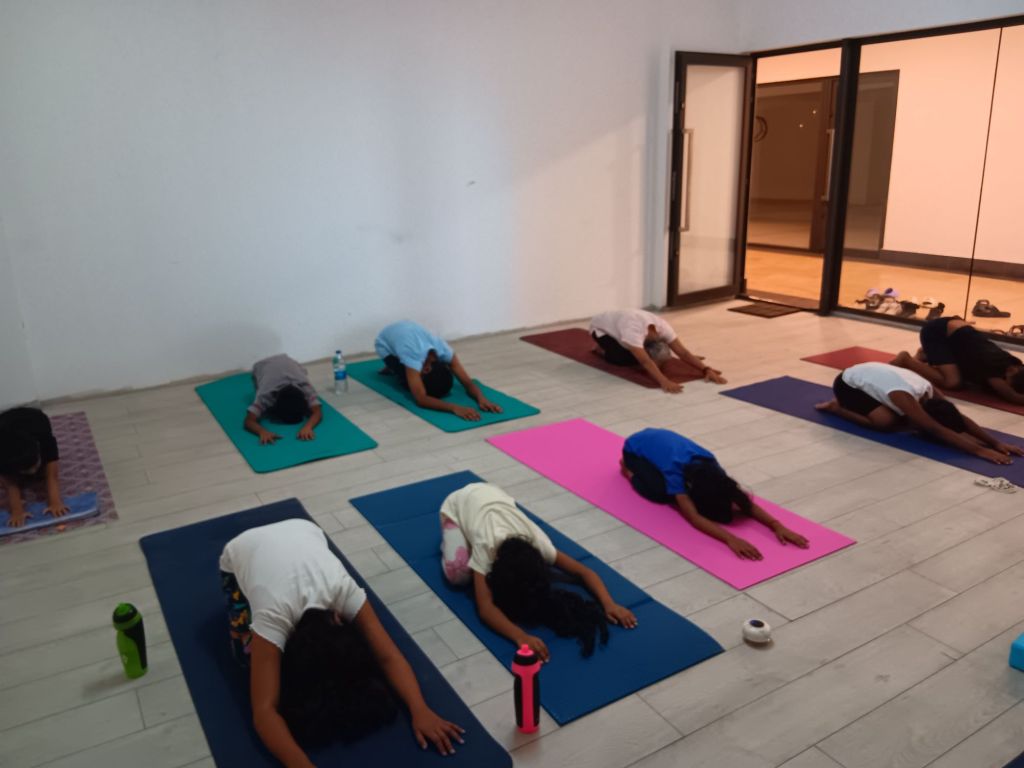
Mindfulness programs are now being included in many schools throughout the world to better prepare students for the challenges of our modern era. In today’s fast-paced world, stress management is a critical skill for mental well-being.
What is mindfulness? Mindfulness is simply bringing our awareness in the present moment. Through mindfulness, children are able to improve their emotional regulation, focus, empathy, and resilience.
THE IMPACT OF THE DIGITAL WORLD AND SOCIAL MEDIA ON CHILDREN
A recent report from the World Health Organisation (WHO) has highlighted the negative mental health impacts of excessive screen time on adolescents, such as links to depression, anxiety, bullying, and poor academic performance. Furthermore, prolonged digital screen use results in eye strain, dry eyes, and blurriness. The WHO recommends no screen time for children below 2 years, and no more than one hour for those aged 2 to 4.
A report from WHO defines problematic social media use characterised by addiction-like symptoms and withdrawal symptoms when not using it. However, if used moderately, social media can offer benefits such as connection, collaborative learning, and access to educational resources.
HOW IS MINDFULNESS BENEFICIAL FOR CHILDREN & TEENS?
- EMOTIONAL REGULATION
Mindfulness helps children to become aware and observe their feelings without judgment, creating a space to react and respond better to emotions such as anger and frustration. Hence, mindfulness helps children to develop emotional intelligence.
2. FOCUS
Moreover, mindfulness enhances the focus of children and teenagers increasing their attention span and decreasing restlessness. In doing so, they can focus better and offer their full attention to what they are doing.
3. REDUCTION IN ADDICTIVE BEHAVIOURS
Mindfulness techniques like meditation strengthens the prefrontal cortex, improving impulse control, and reducing amygdala hyperactivity, which decreases emotional reactivity and cravings.
Eric Garland, PHD has found through his work that an eight-week mindfulness reduced addictive behavior. Garland has found that as the brain and body becomes more sensitive to healthy pleasures, craving is reduced.
4. RESILIENCE
Through mindfulness, children are able to reconnect with themselves and with practice become more resilient when dealing with life challenges, setbacks, and failures which are inevitable in anyone’s life. They learn that a failure is not the end of the world and learn to rise again.
5. STRESS REDUCTION
Mindfulness techniques help children and teens to reduce stress, overthinking, and overwhelming emotions. By becoming present, the children worry less about the past and future.
6. SELF-ESTEEM & CONFIDENCE
Mindfulness is known to increase self-esteem and confidence. Thoough self-awareness, children learn to know themselves on a deeper level.
7. BETTER DECISION-MAKING
Mindfulness practices promotes calmness and decreases impulsiveness leading to better decision-making.
MINDFULNESS TECHNIQUES FOR CHILDREN
- Deep breathing
Breathing techniques help to calm the mind and nervous system. In doing so, the child becomes calmed and relaxed. Breathing exercises also help to activate the left and right hemispheres of our brain.
- Meditation
Guided meditations promote self-awareness and thus helps in emotional regulation and cultivating empathy. Meditations increase the child’s ability to concentrate, focus, decrease impulsivity, and manage emotions. The child’s cognitive abilities improves such as memory and attention.
- Mindful Yoga Postures
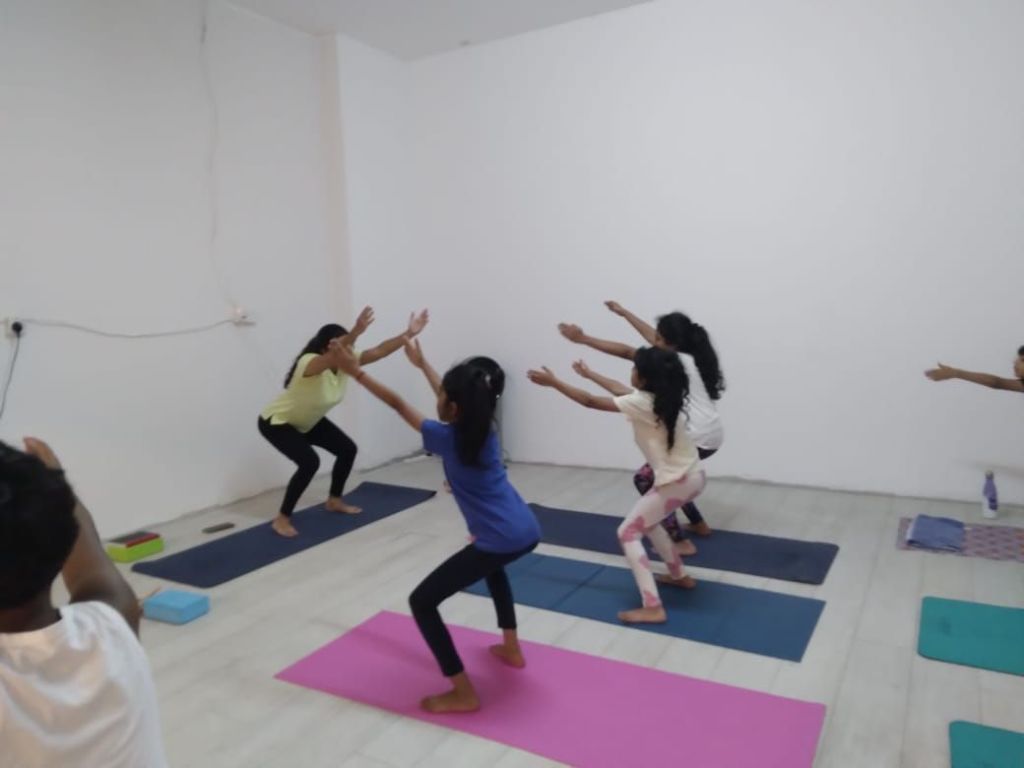
Through mindful yoga postures integrated with breathing, the child or teenager becomes aware of bodily sensations and also builds strength and flexibility. Yoga postures helps to increase the production of endorphins- “the feel good chemicals”.
- Spending time in Nature
Going for outdoor walks in nature enhances mindfulness and has a calming effect on the mind. Mood is improved, concentration is enhanced along with a boost of creativity. Stress is reduced and cognitive functions are enhanced. Moreover, sleep quality is improved.
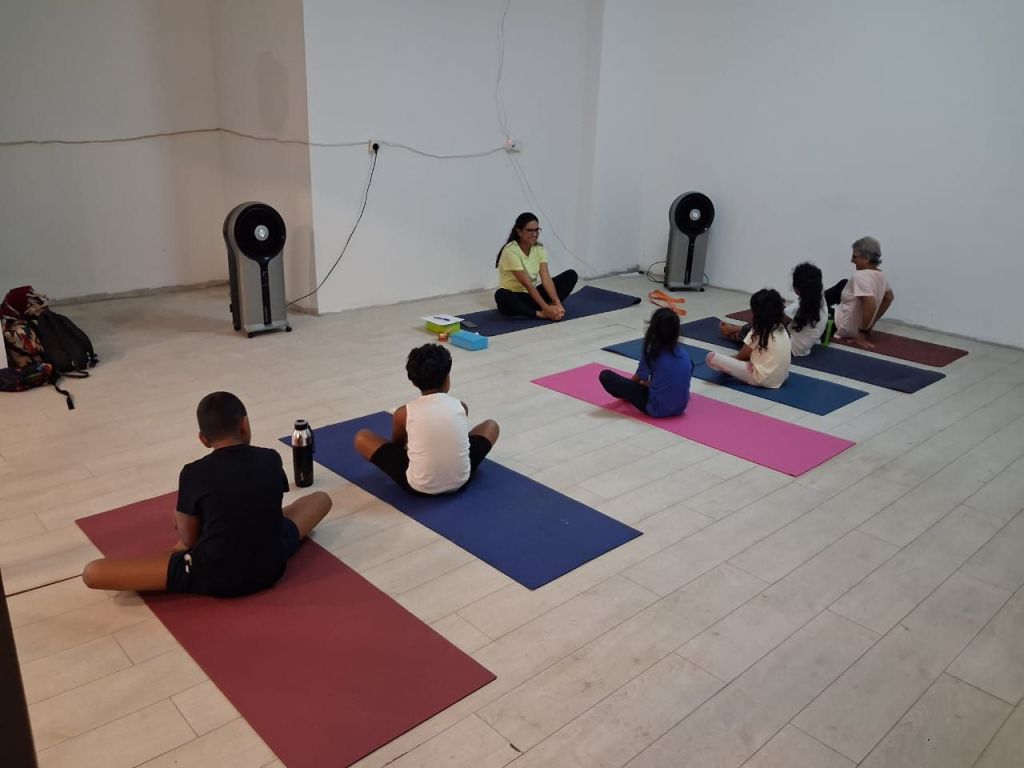
MY EXPERIENCE OF TEACHING YOGA TO CHILDREN
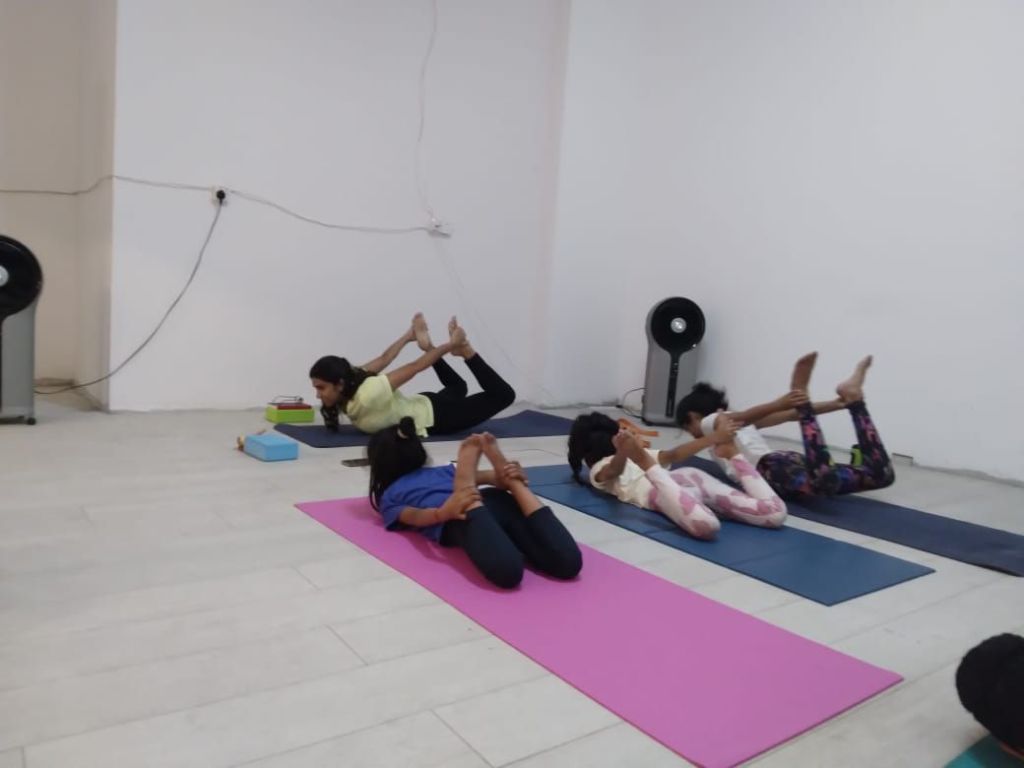
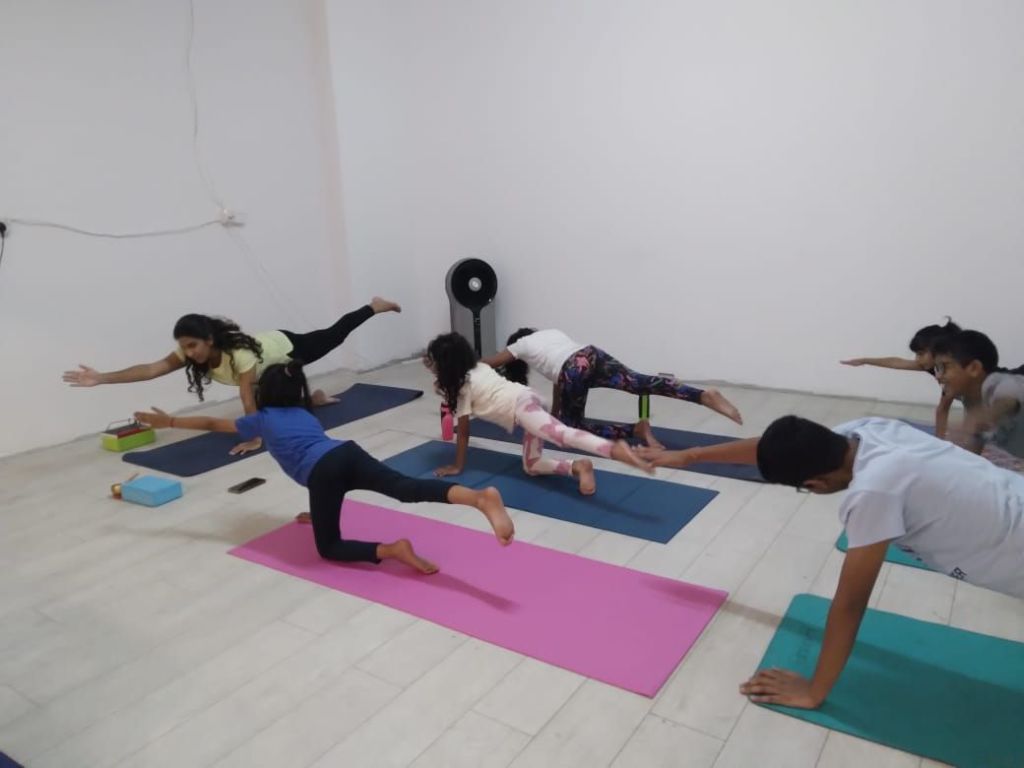
I was quite impressed with the level of focus that the children demonstrated and how fast they learn and adapt. During the breathing exercises, they were very calm. Most of them were very flexible and performed the Yoga poses with so much ease and lightness.
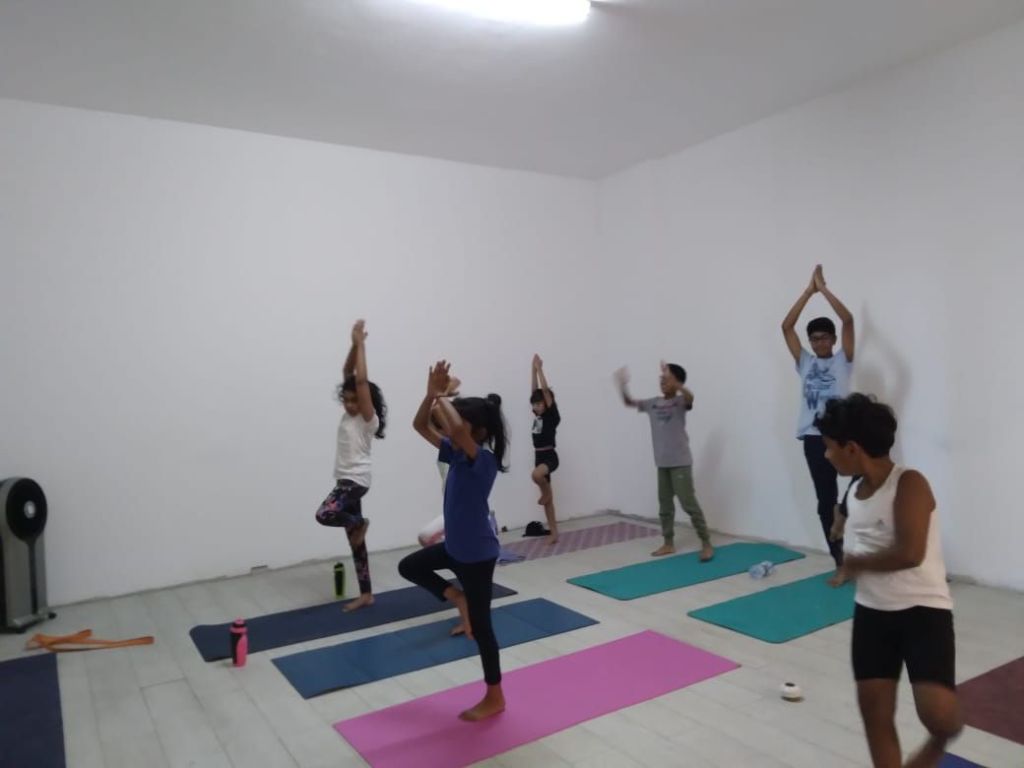
When I saw a few of the kids wobbling in balance postures, it was to me a sign that they are enhancing their cognitive functions like memory, focus, and concentration. Balancing postures are known to improve brain neuroplasticity because when we challenge the body with unpredictable balance movements, the brain is building new neural connections and pathways.
It was a great experience for me and I felt that I was becoming a child once again. Through teaching them, the children also taught me a lot.
My Conclusion
Why wait for our children to reach twenty-five or thirty years old to teach them about mindfulness? Why not raise them into conscious human beings who are strong not only on the outside but on the inside as well. Today’s children are going to lead the world tomorrow and they can become the shift towards a more conscious, safe, and peaceful world.
Yashna Veera, Life Coach and Yoga & Meditation Practitioner
NIRVANA
 NIRVANA
Leave a comment