
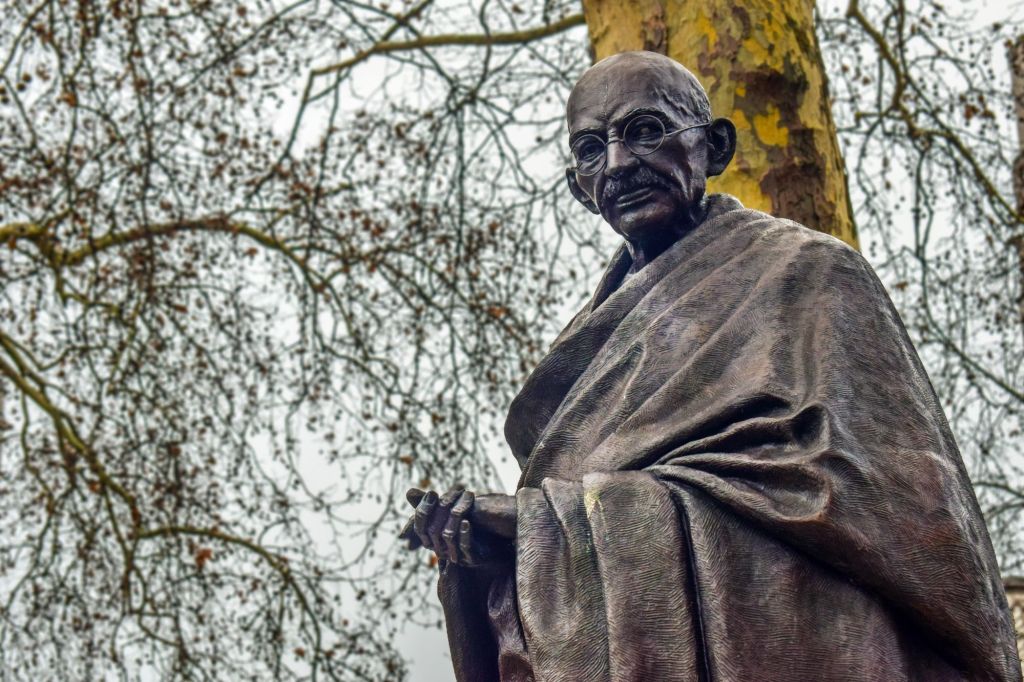
Many of the world’s famous introvert leaders and pioneers include Mahatma Gandhi, Albert Einstein, J.K. Rowling, Mark Zuckerberg, Barack Obama, Rosa Parks, among others. What are the traits of introverts and what makes them great leaders?
This article emphasizes the unique traits of introverts, how their brain operates, and to finally lead as an introvert by honouring your unique traits.
Myself, being an introvert I have finally understood why I am the way I am and how I can lead as an introvert. Hopefully, this article might inspire other introverts and help them to lead in their natural state by embracing their unique traits.
Are you more of an introvert or an extrovert? Let’s find out.
What Are The Signs That You May Be An Introvert?
- You prefer one-to-one conversations or deep conversations
- You enjoy your alone time and have no problem eating alone in a restaurant.
- You have difficulty being in a place of conflict
- You like to plan ahead of time whether it is reaching a meeting fifteen to thirty minutes earlier, planning a presentation in advance, or even paying bills before their due date.
- External rewards such as wealth, status, or fame might not matter to you that much compared to other people.
- You don’t crave the spotlight or being popular.
- Socialising or participating in large group activities drains you.
- You will tend to think thoroughly before speaking
- You prefer writing to verbal communication
- You are referred as a good listener and empathetic
- Most of the time you are on “Observer mode” and talk less compared to other people
How Does The Brain of Introverts Operate?
The brain of introverts is more sensitive to external changes happening in their environments. Moreover, introverts have an enhanced dopamine sensitivity. Introverts are more inclined towards calm, focused, and deep thinking because of the neurotransmitter (acetylcholine).
While extroverts crave dopamine more, introverts display a natural craving for calmness and deep thinking.
Furthermore, introverts have more grey matter in the prefrontal cortex linked to abstract thought, creativity, planning, and decision making. The brain of introverts focuses on long-term memory meaning that the brain stores many more information. Hence, for introverts it will take longer to make a decision because of more processing.
Introverts are also less prone to take risks because the brain will make a lot of analysis before taking the risk.
Leading As An Introvert
One of your strengths leading as an introvert will be your listening skills. As an introvert, you will tend to listen more to people and talk less. You will naturally feel more empathetic towards other people. This enhances trust and collaboration by making people feel heard and valued.
Moreover, you will tend to make thoughtful decision-making instead of rushed decisions. This leads to more stability and strategic decisions. Your decisions will also take into consideration the long-term impacts instead of focusing only on short-term impacts.
The challenges that you may face leading as an introvert might be your difficulty to be in conflicting situations. For instance, if you are working in a toxic workplace, your mind will shift on survival mode and you may even get sick in this kind of environment. One way of resolving conflicts might be to use your one-to-one approach and communication skills to resolve them.
Another challenge that you may face is your need to be prepared. You may face some difficulty if you are assigned something last minute. In that case maybe it is important to let the person know that you need more time and to let you know in advance for the next time.
To avoid feeling overwhelmed it is important to recharge your own battery. Taking some time to walk, practice deep breathing, meditation, exercise, self-reflection, and quiet time can help. Practicing gratitude can greatly help by decreasing stress hormones and enhancing positivity and resilience.
My Final Reflection
The world needs both introverted and extroverted people hence, it is also important to let introverts thrive in their natural way of being. While some people may tend to push or force someone to become more extroverted, introverts have their unique gifts and energy to spread to the world.
It is also important to acknowledge the very different traits of introverts versus extroverts such as the brain chemistry and psychological behaviours. Understanding how introverts operate can enhance relationships whether it involves workplace, friends, or family relationships.
Through personality tests and reflective questions, a life coach can help you understand whether you are more of an introvert or extrovert and help you to lead your life by honoring your natural traits and unique strengths. In doing so, you become in harmony with your inner core, leading you to thrive and excel in your life.
Being an introvert, my message would be to not be afraid to lead and carve your own path even if your path is very different from everyone else’s path.
If you are an introvert, how are you leading your life?
Yashna Veera
Life Coach and Yoga & Meditation Practitioner
 NIRVANA
Leave a comment